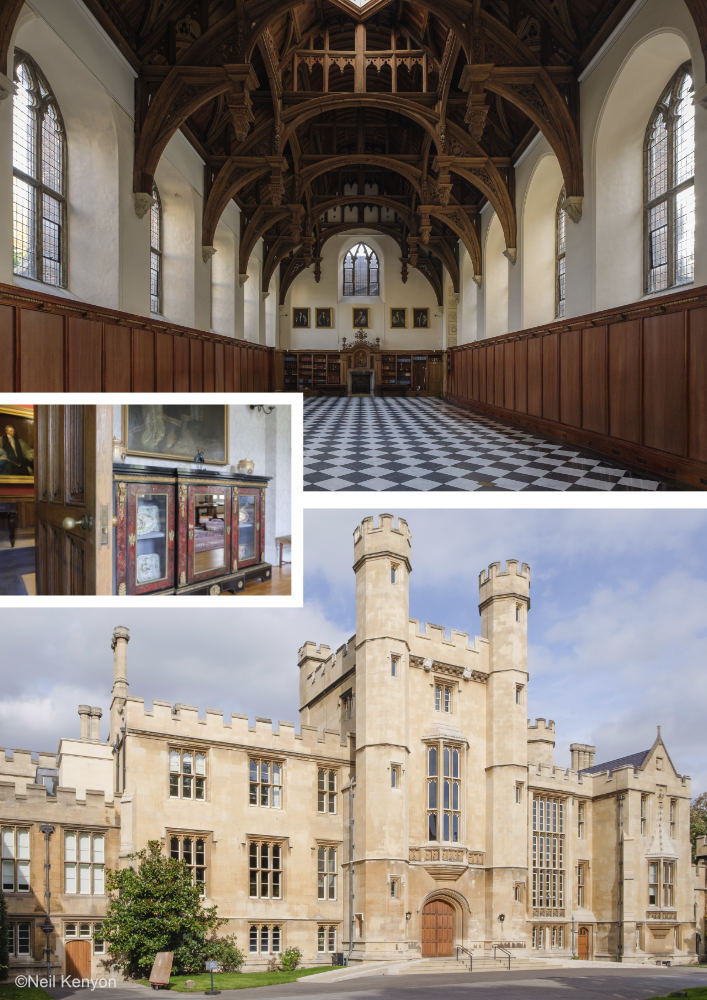
Wright & Wright Architects sensitively adapted the Grade I listed complex, parts of which date back to the 12th century, and has served as the home of the Archbishop of Canterbury for over 800 years.
The purpose of the refurbishment was to make it accessible and energy efficient. So even though many of the changes can’t be seen, a myriad of changes have taken place ‘under the skin’. This project represents a significant step in the Church of England’s commitment to achieving carbon net zero across its entire estate by 2030.
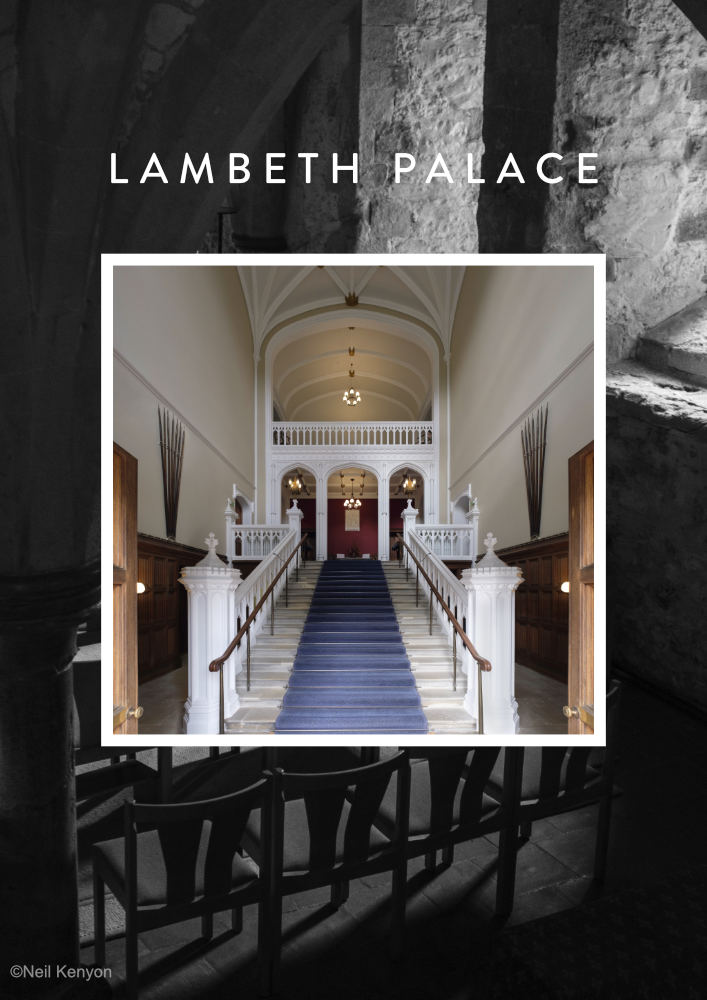
The three-year refurbishment project, launched by the Church Commissioners in summer 2022, was the first major overhaul of the Grade I listed building in more than 70 years. At a cost of £40 million, the project was funded entirely by the Church Commissioners and addressed decades of failing infrastructure that posed a serious risk to the historic fabric of the building.
Who Was Involved:
The project brought together a range of specialist organisations and professionals. Architects Wright & Wright led the masterplan, with Partner Stephen Smith and Conservation Architect Leanna Boxill heading the work. Working closely with engineering firm Arup, the team adopted a ‘fabric-first’ approach, prioritising upgrades to the historic building fabric to reduce energy demand. Close collaboration with the Museum of London Archaeology (MOLA) and Historic England ensured that archaeological discoveries were recorded, protected, and incorporated into revised design strategies. Key figures from the Church of England, including Michael Minta (Director of Bishoprics and Cathedrals), oversaw the project on behalf of the institution.
What Was Done:
The refurbishment covered three main pillars: sustainability, heritage conservation, and accessibility.
On the sustainability front, a new Energy Centre was created, powered by three air source heat pumps, supported by 235 double-glazed windows, roof and floor insulation, rainwater harvesting, and photovoltaic panels — reducing overall energy consumption by 63%.

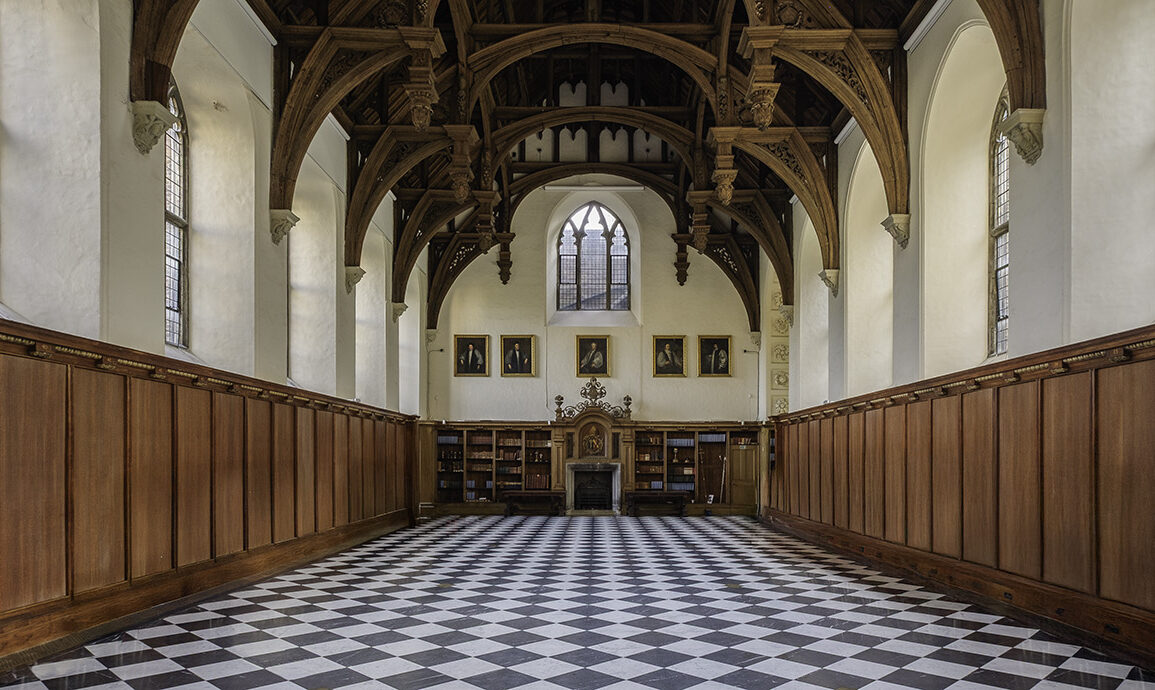
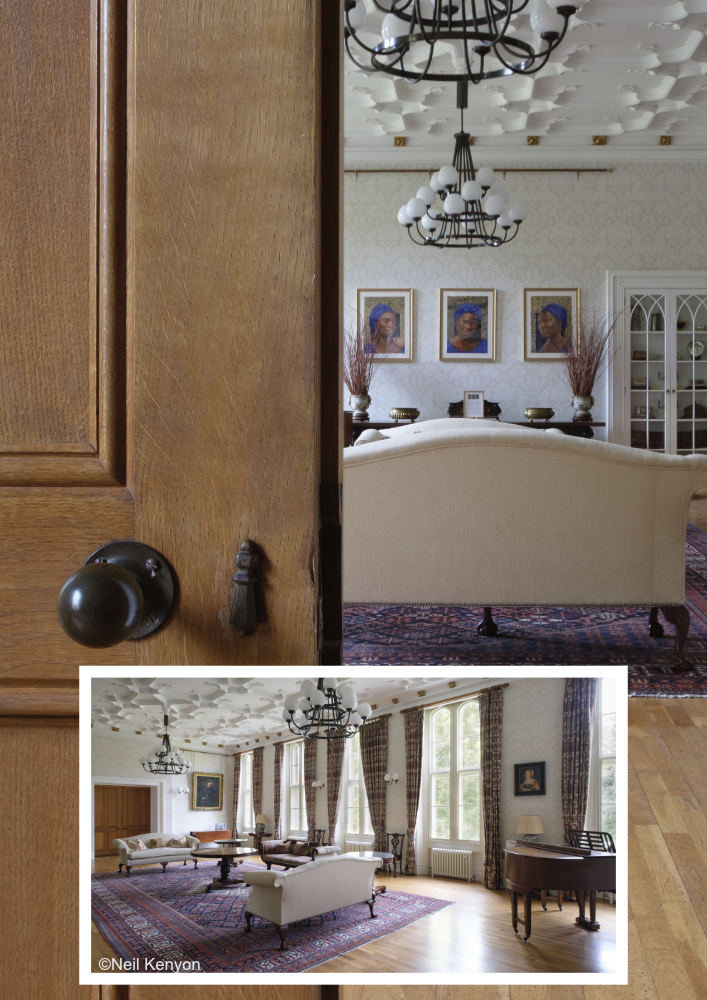
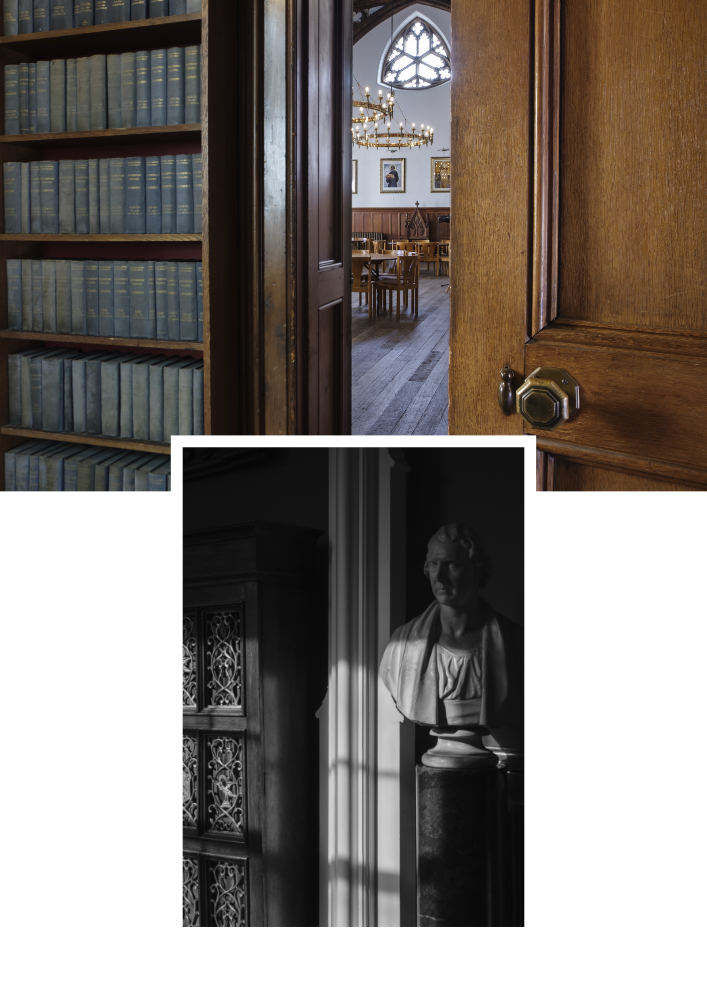
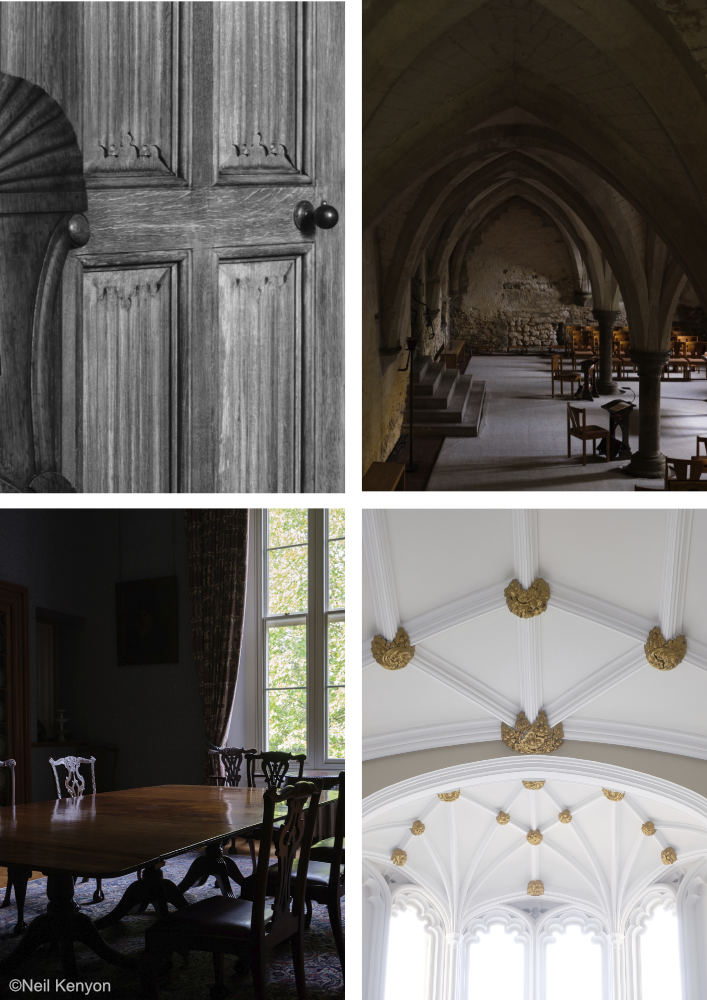
For heritage conservation, a highly skilled team of conservation specialists undertook the meticulous restoration of the Palace’s historic fabric, including decorative plasterwork, stone detailing, and joinery. The 17th-century Great Hall’s timber roof, damaged during the Second World War, was painstakingly repaired by skilled craftspeople. In total, the team replaced 1,450 square metres of floorboards, repaired and cleaned 800 square metres of stonework, and completed 13,500 square metres of plastering and painting.
On accessibility, a new ramped entrance, new lifts, DDA-compliant toilets, and a Changing Places Bathroom were installed to ensure safe access for all visitors, staff, and residents.
Perhaps unexpectedly, the project also became the most significant archaeological investigation of the site ever conducted. Excavations uncovered more than 240 historic wall segments from the 11th to 19th centuries, along with medieval decorative fragments and a tiled cloister floor that may have been walked upon by Henry VIII and Elizabeth I.
Remarkably, Lambeth Palace remained fully operational throughout the entire construction period, continuing to host staff, visitors, services, and international guests.